Knee Sleeves: What, Why, Where, and When!

(A Blast from the Past article originally posted on 07/16/21)

What on earth are knee sleeves, and why might you want to wear them? Let’s chat.

What is a knee sleeve?
A knee sleeve is a sleeve . . . that goes on your knee. They are generally made of neoprene, and they should fit quite snugly. A reasonable approach is to make sure that they are snug, but not so snug that you need someone else to help you put them on. If they’re so tight that you need to take them off between sets, I’d recommend something a little less snug.

Knee sleeve 2.JPG

Why might you want knee sleeves?
The main reason is if you have the highly specific medical condition known as “cranky knees.” Now, if you have achy knees when you squat (and we’re generally talking about the squat here), there may be some technical considerations to examine as well as some programming considerations, and your coach can help you with that.

Nonetheless, to put it simply, knee sleeves simply help your knees feel better. They provide some warmth and some compression, and without getting into the weeds here, both of those factors generally make your knees more comfortable. It’s a nice, warm hug for your knees. One of our coaches, Mike, once accused me years ago of holding out on him because I evidently hadn’t suggested knee sleeves until a year or so into his training. Once he put them on, it was love at first squat.

Knee sleeve 1.JPG

Where can you get knee sleeves?
You can find some at your local sporting goods store, but your best bet is this thing they’ve developed called the internet, which they have on computers now. The usual suspects - Amazon, Rogue, etc. - will have a host of options, which brings us to . . .

What should you get?
5 mm and 7 mm are both common thicknesses, and having used both, I’d recommend the 7 mm option. There are a ton of companies that make them - some of the more popular ones are brands like Rehband, SBD, STrong (Mark Bell), Stoic, and Rogue. 

There’s a big price range from about $35-$45 for a pair of sleeves to $35-$45 for a single sleeve (which reflects the prices of the brands listed above). The biggest difference seems to be simple longevity - the cheap ones tend to wear out and tear within a couple of years, whereas the pricier ones typically last quite a bit longer - to the point that I’d probably say you’ll spend less money in the long run by going with the more expensive pairs. Of course, your mileage may vary. 

Below are links to a few knee sleeve options that are popular with a number of our members at Testify:

When do you use knee sleeves?
The short answer is - squats and Olympic lifting. You’ll appreciate them for squatting, and you’ll appreciate them for the Olympic lifts because of the squatting involved in both snatching and cleaning (there is probably some benefit for the impact of landing as well). 

What about using them on the press and bench press? Go ahead if you’d like - they won’t help, but they won’t hurt either. 

The deadlift gets a little more discussion. In the deadlift, the knee doesn’t go through a large range of motion (as opposed to the knee’s longer ROM in the squat), so if your knees ache while squatting, but they feel fine while deadlifting, I’d recommend not wearing sleeves. The thickness of the sleeve - while not huge - is still one more thing you have to deal with when trying to keep the barbell close on the pull, so if you don’t need them, don’t use them. But if your knees also ache on the deadlift, and you find that the sleeves help, then go right ahead.

As always, we hope this helps you get stronger and live better.

-Phil

PS: Whenever you want even more Testify in your life, here are some free resources:

  • Book a free intro and strategy session with us HERE.

  • Pick up a free copy of Testify’s Squat Guide: 12 Tips to Improve Your Squat Now HERE.

  • Get our free weekly email - containing useful videos, articles, and training tips - HERE.

  • Follow Testify on Instagram HERE.

  • Subscribe to Testify’s YouTube channel HERE.

(Some links may be affiliate links. As an Amazon Associate, Testify earns from qualifying purchases.)
At Testify, we offer small group training, private coaching (in-person or remotely via Zoom), online coaching, and form checks. Interested in getting stronger, looking better, and having more energy?

book a free intro

IMPROVE Your Daily Protein Intake with ONE Simple Method

A lot of protein advice sounds good but doesn’t survive real life. Starting Strength Coach Phil Meggers covers one small change that actually works and consistently improves daily protein intake. Give it a shot and keep training.

Whenever you want even more Testify in your life, here are some free resources:

  • Book a free intro and strategy session with us HERE.

  • Pick up a free copy of Testify’s Squat Guide: 12 Tips to Improve Your Squat Now HERE.

  • Get our free weekly email - containing useful videos, articles, and training tips - HERE.

  • Follow Testify on Instagram HERE.

  • Subscribe to Testify’s YouTube channel HERE.


At Testify, we offer small group training, private coaching (in-person or remotely via Zoom), online coaching, and form checks. Interested in getting stronger, looking better, and having more energy?

book a free intro

The Testify Christmas Chronicle - December 22, 2025

THIS WEEK'S SUBMISSION

From our video Deadlift Pro Tips (The "Don't Stand Up" Trick) (click the title to watch):

Dennis J
Dont you always have to pull the bar around the knees?

Phil
Solid question, and no, you want the bar to travel in as vertical of a path as possible, so it is the knees' job to get out of the way of the bar as opposed to vice versa.


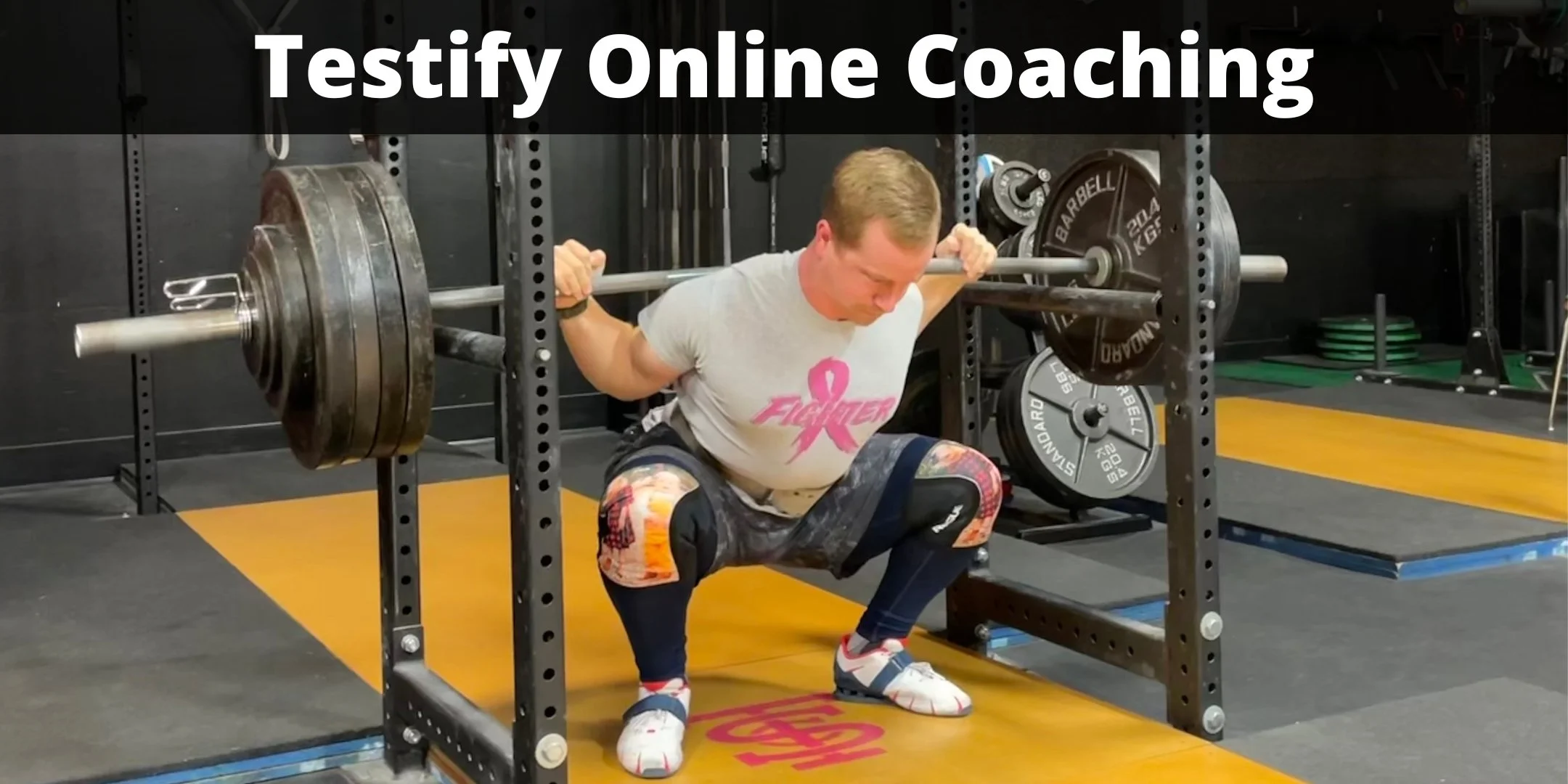
TESTIFY ONLINE COACHING

Interested in getting stronger working one-on-one remotely with us? Click here to book your free strategy session.

Get Stronger. Live Better. Start Today.


ARTICLES & VIDEOS

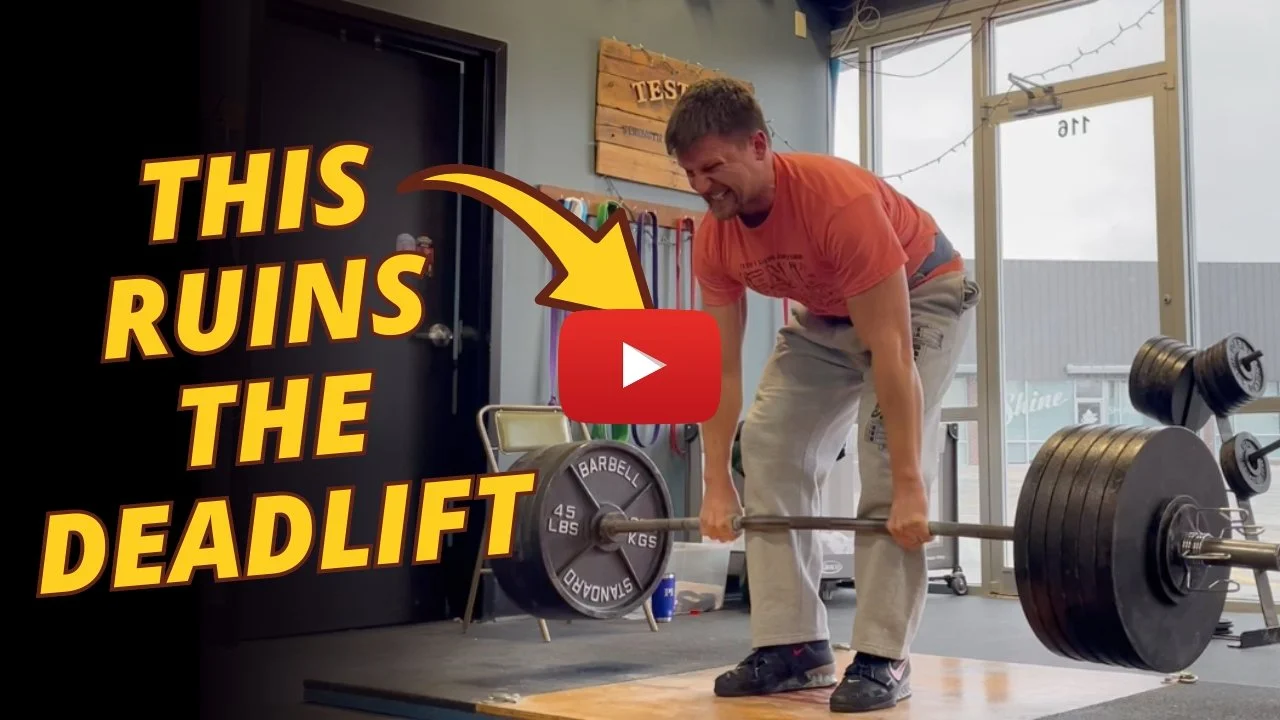
Your Arms Are Ruining Your Deadlift. Here Is Why. (3 mistakes)
If your deadlift is harder than it should be, your arms might be the reason. Phil covers 3 mistakes lifters make with their arms, cues that lifters often use incorrectly, and one fix to solve the entire problem. Click here to watch.


No Deadlift Jack? THREE Tips for Loading Your Deadlift SUPER Easy
Struggling to load your deadlift? Deadlift jacks can be pricey, so here are three tips to make loading your deadlift super easy without any special equipment. Click here to read.


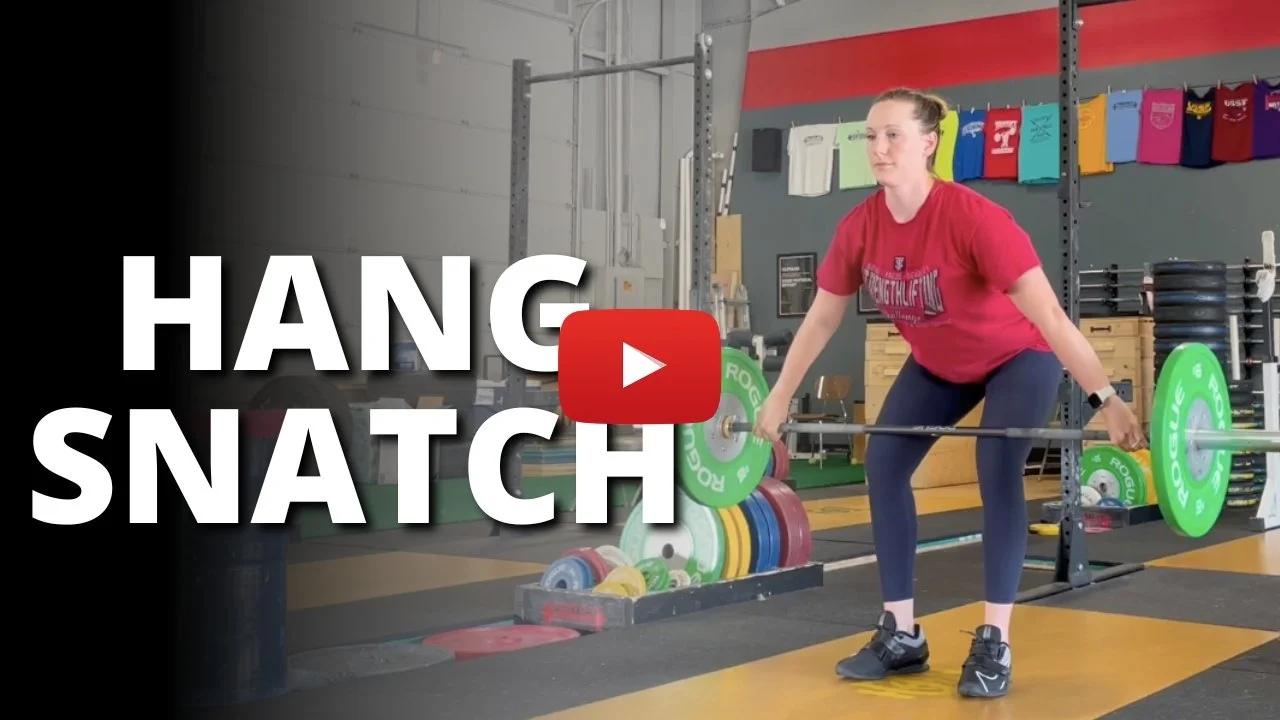
Blast from the Past: What is a Hang Snatch? | Olympic Weightlifting Technique
What is a hang snatch? How is it different from a power snatch, hang power snatch, or snatch? We cover it all here in about a minute. Click here to watch.


Blast from the Past: 5 Ways You're Ruining Your Bench Press!
Quit making these mistakes when bench pressing! Phil covers 5 common bench press errors as well as how to fix these mistakes. Click here to read.


“GET STRONGER - LIVE BETTER” SHIRTS ARE AVAILABLE!

Why do you train? Because getting stronger makes everything else easier. Get stronger. Live better. “Testify” to this message and represent your favorite gym with this shirt in several color options.

Click here to head to the Testify Store.


WHAT'S COMING UP

Reminder: Below are the hours for this week as well as New Year's week (you can also find these on our Location & Hours page). Any days not listed retain their normal hours.

Christmas Week (2025)
Wednesday, 12/24/25: 5:00 a.m. - 9:30 a.m. (closed in the evening)
Thursday, 12/25/25: Closed
Friday, 12/26/25: 4:00 p.m. - 6:30 p.m. (closed in the morning)

New Year’s Week (2025-2026)
Wednesday, 12/31/25: 5:00 a.m. - 9:30 a.m. (closed in the evening)
Thursday, 01/01/26: Closed
Friday, 01/02/26: 4:00 p.m. - 6:30 p.m. (closed in the morning)

Below is one of our upcoming events, and you can find out what else is on the calendar by heading to our events page at www.testifysc.com/events.

Testify Strengthlifting Challenge

  • April 11, 2025

  • The annual Testify Strengthlifting Challenge is back, and we invite you to be a part of it! This is a strengthlifting meet, which means the contested lifts will be the squat, press, and deadlift.

  • Click here to register or for more information.


THIS WEEK’S CONDITIONING

Option 1
Sled
Outdoors:
10 rounds of:
Push sled 100 ft
Pull sled 100 ft (hand over hand)

Indoors:
20 rounds of:
Push sled 50 ft
Pull sled 50 ft (hand over hand)

Compare to 2025.11.17.

Option 2
Bike/row:
4 x 800m

Rest 3 minutes between each round. Score = slowest time.

Compare to 2025.09.29.

Option 3
Outdoors:
5-10 rounds:
10 sledgehammer strikes (5R, 5L)
50 yd farmer carry (25 yd down-back)
Rest 1 minute

Indoors:
5-10 rounds:
10 sledgehammer strikes (5R, 5L)
100 ft farmer carry (50 ft down-back)
Rest 1 minute

Compare to 2025.09.01.

Option 4
5-8 rounds:
50 ft sled push
50 ft sled pull (hand over hand)
Row 1 minute
Rest 1 minute

This can also be done in a group of three where the sledder determines how long the other two people row and rest.

Compare to 2025.09.01.


As always, we hope this helps you get stronger and live better!

Whenever you want even more Testify in your life, here are some free resources:

  • Book a free intro and strategy session with us HERE.

  • Pick up a free copy of Testify’s Squat Guide: 12 Tips to Improve Your Squat Now HERE.

  • Get our free weekly email - containing useful videos, articles, and training tips - HERE.

  • Follow Testify on Instagram HERE.

  • Subscribe to Testify’s YouTube channel HERE.

No Deadlift Jack? THREE Tips for Loading Your Deadlift SUPER Easy

Your deadlift is going well - you’re getting stronger. You’ve gotten to the point where you’ve got one, maybe two, perhaps even three 45-lb plates on each side.

What’s your reward?

You now have to deal with loading more full size plates (i.e., 45-lb metal plates) on the barbell each time you train, and this, of course, is a pain as you have to pick up the end of the bar enough to get the plate on and then slide it into place (the problem is even worse if you deadlift with bumper plates as most of your plates are full size plates).

Adding a 10-lb plate? A 25-lb plate? Piece of cake - they slide easily on as they are much smaller than a 45-lb plate. But those 45-lb plates? They can be a pain without knowing a few tricks of the trade, so let’s cover those right now to help you out.

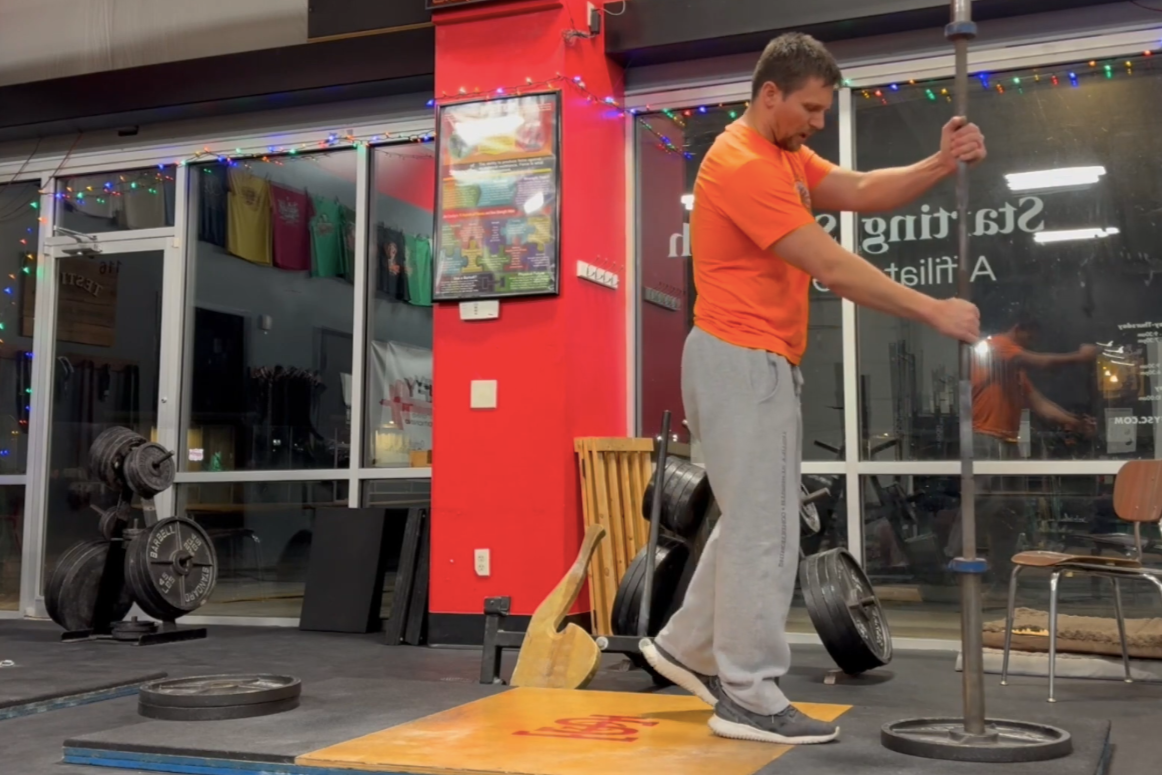
Side note: If you have a deadlift jack, then loading 45-lb plates on the bar is smooth sailing. You can buy one, of course, or you can make The Fishhook deadlift jack as shown in the video above. It’s easy, and it makes loading your deadlifts easy as well.

If you don’t make or purchase a deadlift jack, then there are three specific problems to solve when loading your bar, and not surprisingly, there are three specific (but simple) solutions to use. We’ll cover them below, and if you’d like to see them demonstrated, check out the short video below (photos are great, but video is better).

Step #1: How to Get the First Plate on the Bar
In short, you don’t.

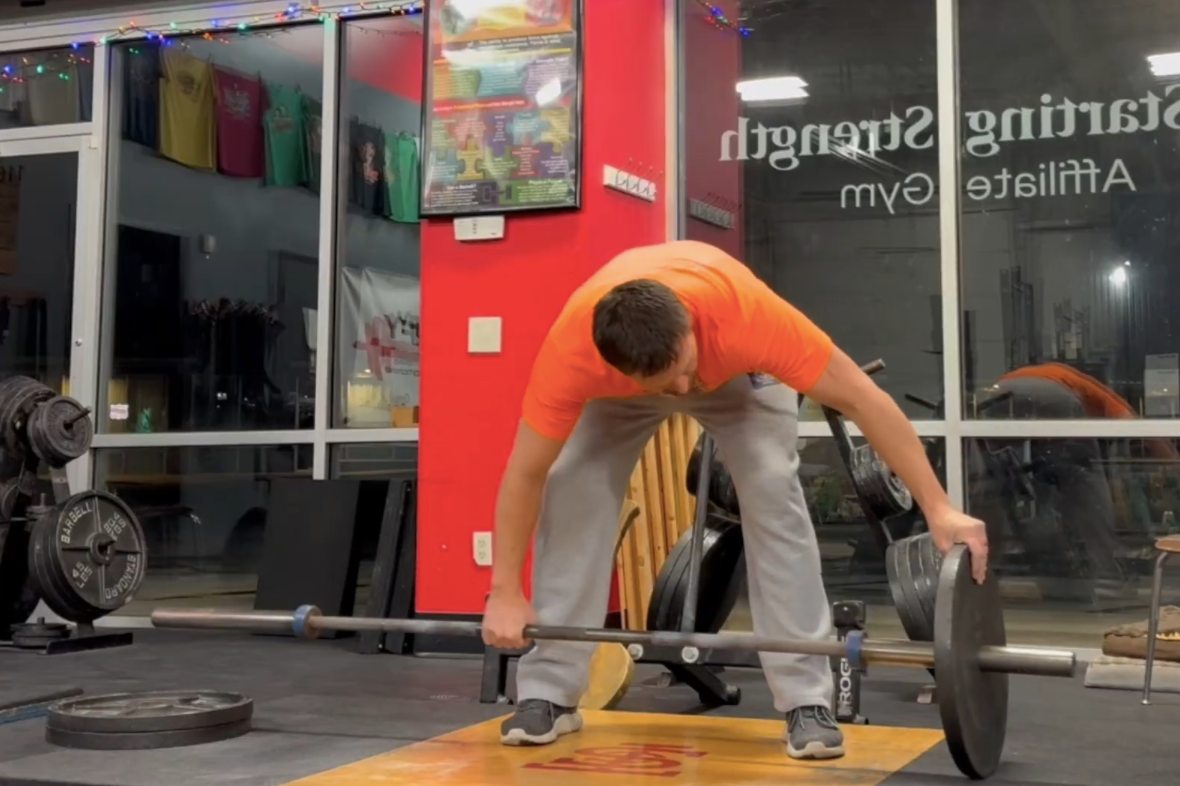
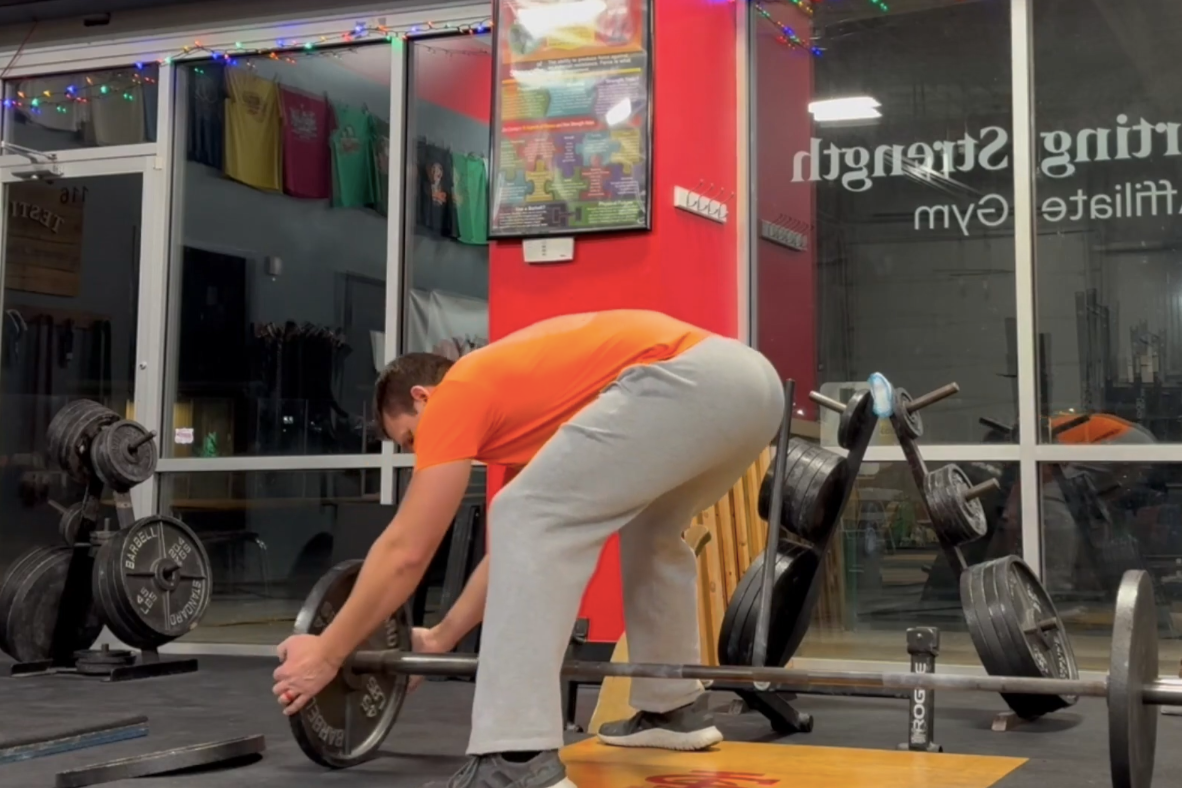
That is, you don’t put the plate (i.e., the 45-lb plate on the bar. Instead, you put the plate flat on the floor, put the end of the barbell sleeve into the center of the plate (Figure 1), tip the barbell back down to the floor, and then slide the bar through the plate (Figure 2).

figure 1: put the end of the barbell sleeve into the center of the plate.:

figure 2: slide the bar through the plate.

In other words, you don’t put the plate on the bar. You put the bar through the plate.

Step #2: How to Get the Second Plate on the Bar
This is the only step that requires a little bit of lifting, but you’re going to keep the effort involved as minimal as possible - after all, the deadlift itself is supposed to be your lifting for the day, not the loading of the bar.

First of all, keep the plate as close to the floor as possible - you can even roll it over to the bar if you don’t have much ground to cover. Situate the plate so it’s right next to the end of the bar.

Second, pick up the end of the bar and get the plate on the bar - but just barely. That’s all the lifting you’ll need to do.

figure 3: pull the plate toward the collar of the bar.

Next, straddle the bar (facing away from the middle of the bar), grab the plate (with both hands) just below the halfway mark, and then lean back as you pull the plate toward the collar of the bar (Figure 3). You’re essentially using your bodyweight as leverage to slide the plate toward you.

Step #3: How to Get the Rest of the Plates on the Bar
This is now the easiest part.

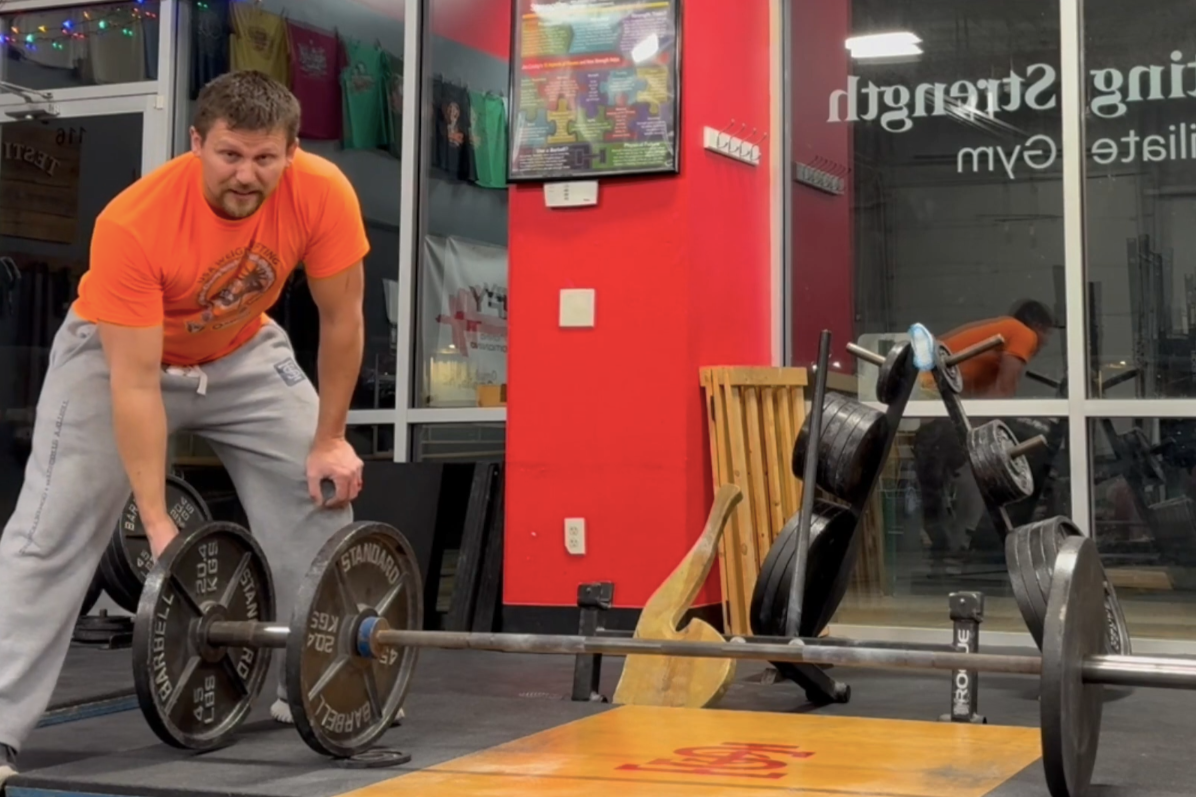
Grab a 2.5-lb plate (or another small, flat item), and roll one plate up onto the 2.5-lb plate. You’ve now elevated your barbell just enough that sliding subsequent plates onto the bar (Figure 4) will be no trouble at all since they won’t be sliding across the floor.

figure 4: Note that the inside plate is sitting on a 2.5-lb plate. this makes it easy to slide on subsequent plates.

This also works very well for unloading your bar when you’re done lifting.

As always, we hope this helps you get stronger and live better.

-Phil

PS: Whenever you want even more Testify in your life, here are some free resources:

  • Book a free intro and strategy session with us HERE.

  • Pick up a free copy of Testify’s Squat Guide: 12 Tips to Improve Your Squat Now HERE.

  • Get our free weekly email - containing useful videos, articles, and training tips - HERE.

  • Follow Testify on Instagram HERE.

  • Subscribe to Testify’s YouTube channel HERE.

(Some links may be affiliate links. As an Amazon Associate, Testify earns from qualifying purchases.)

At Testify, we offer small group training, private coaching (in-person or remotely via Zoom), online coaching, and form checks. Interested in getting stronger, looking better, and having more energy?

book a free intro

What is a Hang Snatch? | Olympic Weightlifting Technique

What is a hang snatch? How is it different from a power snatch, hang power snatch, or snatch? Starting Strength Coach Phil Meggers covers it all here in about a minute.

(A Blast from the Past video originally published on 03/18/23)

Whenever you want even more Testify in your life, here are some free resources:

  • Book a free intro and strategy session with us HERE.

  • Pick up a free copy of Testify’s Squat Guide: 12 Tips to Improve Your Squat Now HERE.

  • Get our free weekly email - containing useful videos, articles, and training tips - HERE.

  • Follow Testify on Instagram HERE.

  • Subscribe to Testify’s YouTube channel HERE.


At Testify, we offer small group training, private coaching (in-person or remotely via Zoom), online coaching, and form checks. Interested in getting stronger, looking better, and having more energy?

book a free intro

5 Ways You're Ruining Your Bench Press!

(A Blast from the Past article originally posted on 08/18/23)

Let’s cover a few mistakes that you might be making with your bench press, and then let’s fix them fast.

Mistake #1: Wrong (or Nonexistent) Focal Point
When you bench, look at an immovable target - specifically, look directly above you at a point on the ceiling. When you start each rep, although you’re looking at the ceiling, you can still see the barbell in your periphery, and the bar needs to finish in the same place in your periphery at the end of each rep. Do NOT watch the bar - it’s a moving target. Watch the ceiling.

Mistake #2: Vertical Bar Path
Do NOT bench straight down and straight back up again. “Gasp! What?! Not a vertical bar path?!” Nope, not on the bench press. The bar starts directly above the shoulders, but it touches a point on your chest a couple inches further “down the bench” (i.e., further toward your feet) - roughly the mid-sternum. Because of this, if you view the bar path from the side, it’s not completely vertical; rather, it’s a bit angled - you drive the bar both up and slightly backward.

The bar path still feels mostly vertical - it’s not a huge diagonal path - but you don’t actually bench vertically. Simply aim for the same spot on your chest each time on the descent, and then push up and back slightly on the ascent so that the bar finishes in the same spot from where it started.

Mistake #3: Lousy Shoulder Positioning
Keep your shoulders retracted (i.e., pulled or pinched back) when you bench. Make sure they are retracted before you unrack the bar and before you start the first rep, and then keep them retracted throughout each rep. You might have to re-retract them a bit before starting a rep if they slip out of place a bit during a rep or during the initial unracking process.

Having your shoulder blades retracted gives you a nice, wide base of support on the bench, and the bench isn’t all that wide in the first place, so we’d like as wide of a base as possible. Keeping them retracted allows for a more unrestricted range of motion as well, so overall, this puts your shoulders in a stronger, more stable position from which to perform the lift.

Mistake #4: Not Using Your Legs
That’s right - you need to actively use your lower body when you bench press. Your legs should help you drive up the bench (i.e., toward the direction of your head). You don’t slide in that direction since the weight of the bar will pin your shoulders into place, but you drive in that direction nonetheless. With that said, if you have a bench with a slippery surface and you find yourself actually sliding a bit, purchase a non-slip rug pad and watch the included video.

Driving with your legs (with your feet positioned in a roughly squat-width stance) gives you lateral stability, supports your arch, and makes you more rigid overall, and more rigidity is always good when moving heavy weights.

Mistake #5: Bad Leg Drive
I know - we just said to drive with your legs, and now we’re changing our minds? Not quite. Your legs should drive you up the bench (again, not literally sliding), but they should not drive your body up off of the bench. In other words, your butt needs to remain in contact with the bench itself. If your rear end comes off the bench, the rep doesn’t count, so again, make sure you are driving up the bench, not up off of the bench.

As always, we hope this helps you get stronger and live better.

-Phil

PS: Whenever you want even more Testify in your life, here are some free resources:

  • Book a free intro and strategy session with us HERE.

  • Pick up a free copy of Testify’s Squat Guide: 12 Tips to Improve Your Squat Now HERE.

  • Get our free weekly email - containing useful videos, articles, and training tips - HERE.

  • Follow Testify on Instagram HERE.

  • Subscribe to Testify’s YouTube channel HERE.

(Some links may be affiliate links. As an Amazon Associate, Testify earns from qualifying purchases.)


At Testify, we offer small group training, private coaching (in-person or remotely via Zoom), online coaching, and form checks. Interested in getting stronger, looking better, and having more energy?

book a free intro